
 Deutsch
 한국어
한국어 日本語
日本語 Français
 Português
 Español
 Русский
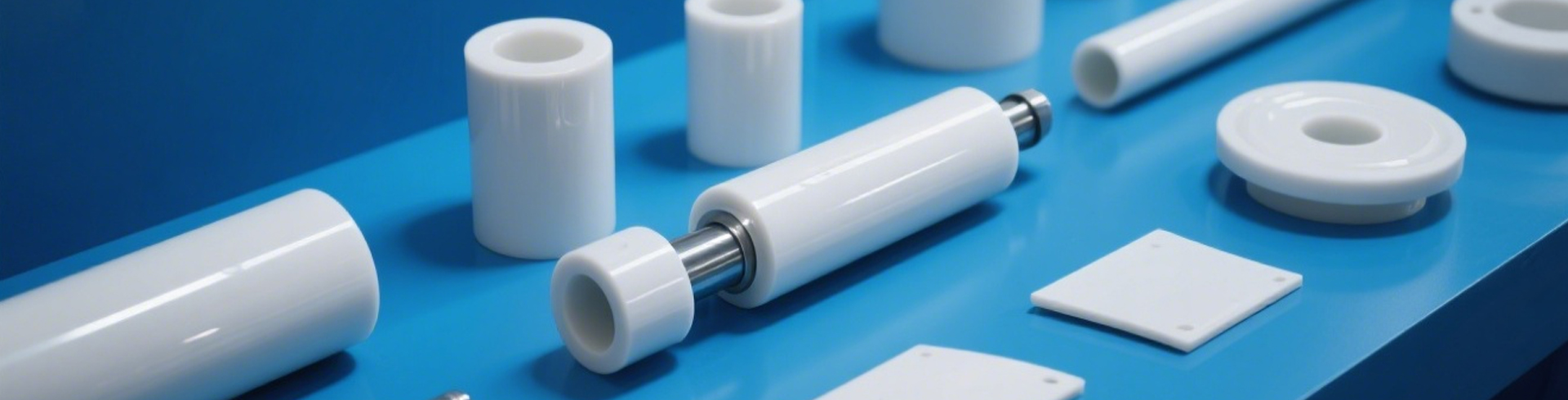
1. Aluminum heat sink: High cost-performance ratio, most widely used
Aluminum heat sinks are currently the most widely used heat dissipation solution, and the reason is very straightforward.
Key Features of Aluminum Heat Sinks
Excellent thermal conductivity (approximately 200 W/m·K)
Lightweight and easy to process
Low cost and readily available supply
Suitable for mass production
Typical Applications of Aluminum Heat Sinks
Consumer Electronics
General Industrial Power Supplies
LED Lighting
Electronic Equipment with Low Insulation Requirements
In scenarios where heat dissipation is the primary concern and electrical insulation requirements are not high, aluminum is a very
economical choice.
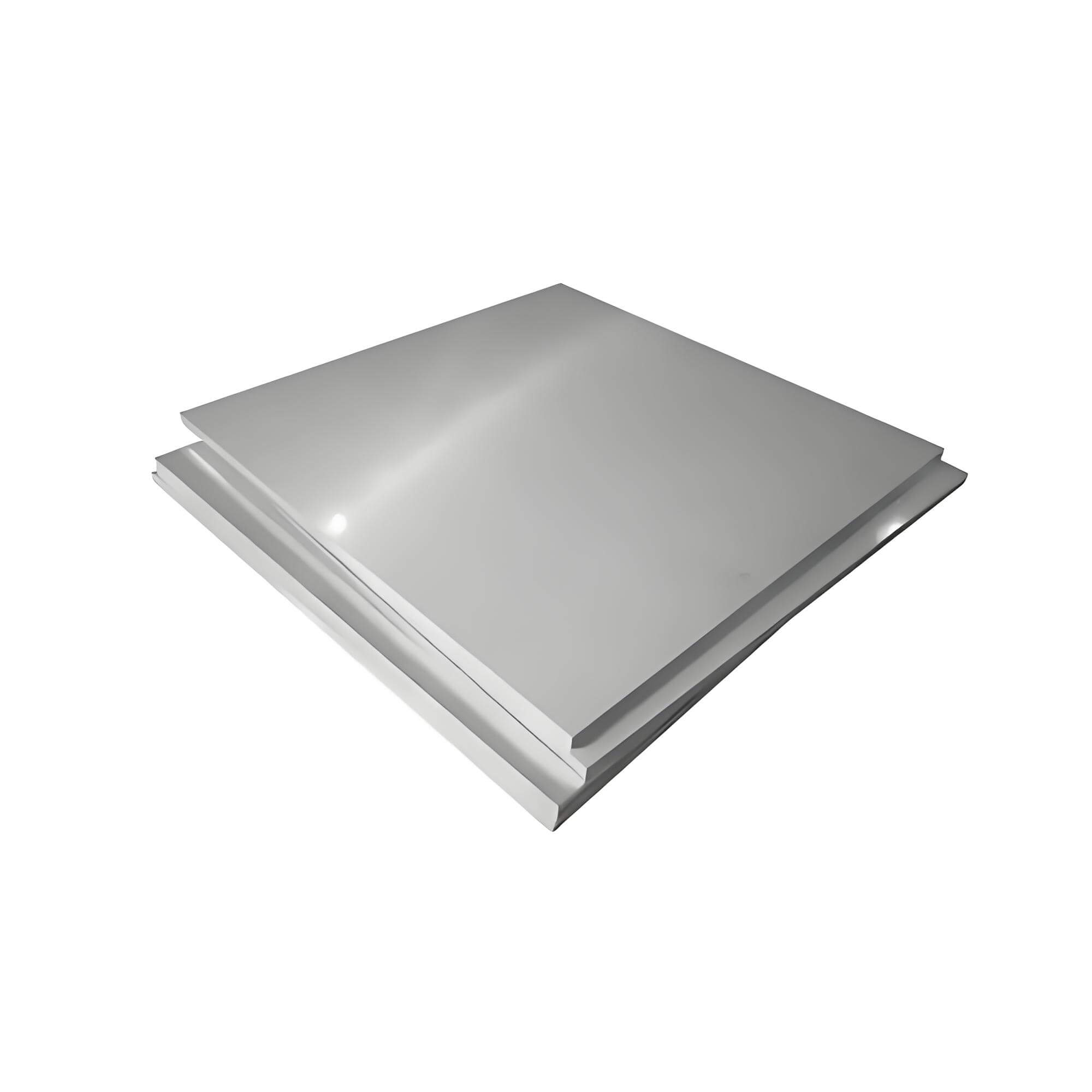
2. Ceramic Heat Sinks: A Highly Reliable and Safe Solution
Unlike aluminum, ceramic heat sinks emphasize overall performance, especially in high-end and extreme operating conditions.
Core Advantages of Ceramic Heat Sinks
① Simultaneous Thermal Conductivity and Insulation
Taking aluminum nitride and alumina ceramics as examples:
Aluminum nitride thermal conductivity: above 170 W/m·K
Alumina thermal conductivity: 20–30 W/m·K
Also possesses excellent electrical insulation properties
No additional insulation layer required, resulting in a simpler and more reliable structure.
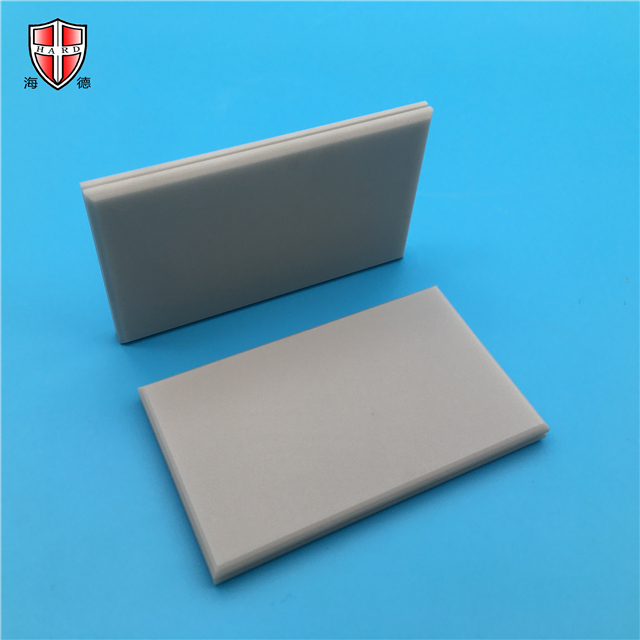
② High-temperature stability, not prone to aging
Long-term operating temperature can reach 1000–1600℃
It will not soften or deform due to high temperatures
Thermal properties change little over time
③ Non-corrosive and rust-free
Highly stable in acidic, alkaline, and humid environments
Suitable for harsh working conditions and long-term operation equipment
④ More suitable for high power density systems
In power devices, IGBTs, and SiC modules,
heat dissipation and insulation are often equally important, which is precisely where ceramics excel.
3. Ceramic heatsinks vs. aluminum heatsinks: a comparison that makes it clear at a glance.
| Comparison items | Aluminum heat sink | Ceramic heat sink |
|---|---|---|
| thermal conductivity | high | High (AlN is better) |
| Electrical insulation | ❌ None | ✅ Excellent |
| High temperature stability | generally | Extremely strong |
| Corrosion resistance | generally | Extremely strong |
| Structural integration | generally | high |
| Initial cost | Low | higher |
| Long-term reliability | middle | high |
4. When is it necessary to choose a ceramic heatsink?
If your application scenario meets any of the following criteria, a ceramic heatsink is often a better solution:
High voltage + high power
Strict requirements for insulation and safety
High operating temperature and harsh environment
Pursuing long-term stability rather than short-term cost
Semiconductor power modules, new energy equipment
In these scenarios, the "cheapness" of aluminum may become a "risk cost" in the later stages.
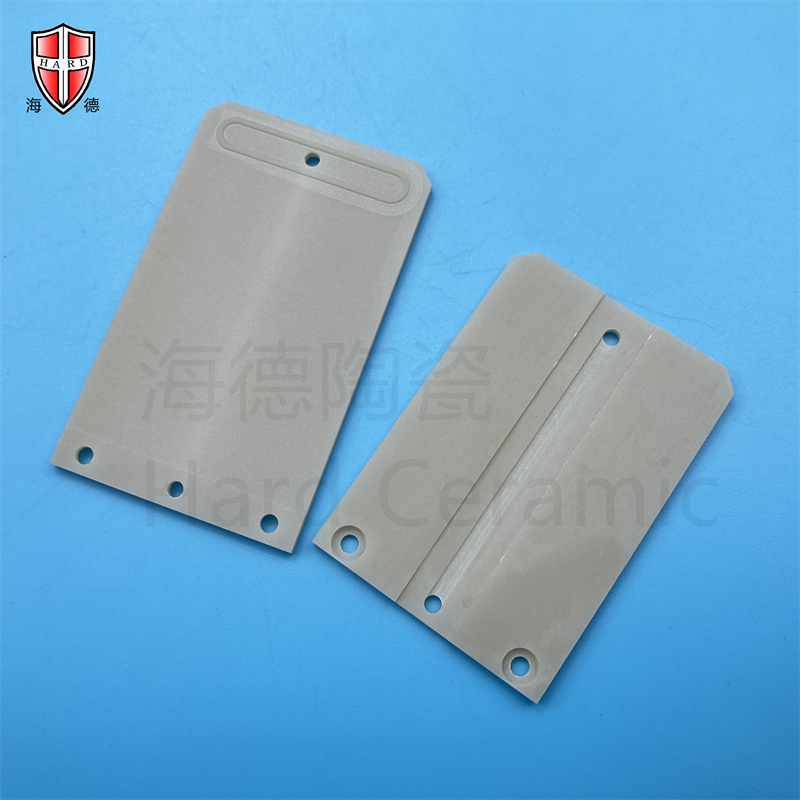
5. Industry Trends: From "Aluminum + Insulation" to "Integrated Ceramics"
As power density continues to increase, more and more companies are choosing:
Using ceramic heat sinks solves both heat dissipation and insulation problems in one step.
This not only simplifies the structure but also reduces:
the risk of insulation aging
contact thermal resistance
assembly complexity
6. Conclusion: There is no "better," only "more suitable."
For general heat dissipation needs → Aluminum heatsinks offer high cost-effectiveness
For high power and high insulation requirements → Ceramic heatsinks provide greater reliability
Truly professional selection is never just about thermal conductivity,
but rather a comprehensive consideration of safety, lifespan, and system stability.
Hard Precision Ceramics provides professional customized solutions for ceramic heat sinks.
Supported:
Alumina/Aluminum Nitride Ceramic Heat Sinks
Customization based on provided drawings, non-standard processing
Precision grinding and polishing, high consistency control


