
 Deutsch
 한국어
한국어 日本語
日本語 Français
 Português
 Español
 Русский
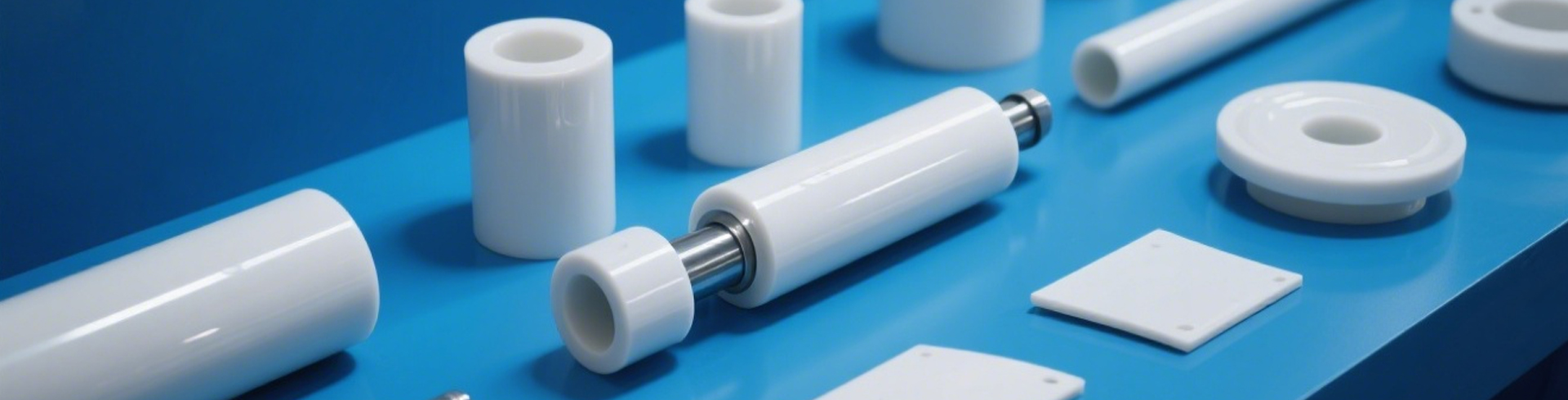
1.The "inherent limitations" of metal plungers can no longer meet the demands of high-end equipment.
When operating in environments involving high pressure, high speeds, and corrosive fluids, metal plungers are prone to the following issues:
Rapid wear and surface scoring
Frequent seizing due to poor lubrication
Unstable sealing caused by pitting and rust
Loss of precision and reduced efficiency over prolonged use
As equipment performance requirements continue to rise, the performance limitations of metal materials are becoming increasingly apparent, and operation
and maintenance costs are steadily increasing.
2. Why are ceramic plungers favored? Four major advantages that comprehensively outperform metal.
① Superior Wear Resistance: Service Life Extended 3–10 Times
Represented by structural ceramics such as zirconia and alumina, their hardness reaches:
Zirconia: 1200 HV
Alumina: 1600 HV
(Reference: *Comparison of Properties of Precision Ceramic Materials*)
This far exceeds that of traditional metal materials.
During prolonged high-speed reciprocating motion, ceramic plungers exhibit virtually no wear, significantly reducing:
Replacement frequency
Downtime costs
Operation and maintenance expenses
A 3–10 fold increase in service life is the widely reported experience across the industry.
② Excellent self-lubricating properties; resistant to seizing
Ceramic surfaces can be precision-polished (achieving an Ra of 0.02) and feature a low coefficient of friction. They are highly compatible with
sealing components, making them resistant to dry running and seizing.
In practical application, this results in:
Lower startup resistance
Smoother, more effortless equipment operation
A significant reduction in the risk of high-pressure pump seizure
This advantage is of immense value for equipment requiring long-term, continuous operation.
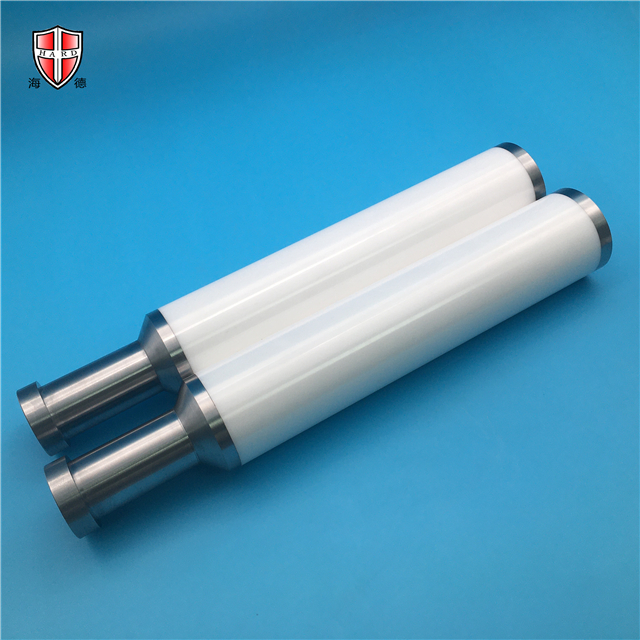
③ Exceptional corrosion resistance, suitable for demanding operating conditions
Metals are prone to pitting or rusting when exposed to acids, alkalis, salt spray, or fluids with high water content.
Ceramic materials, however, possess inherent corrosion resistance:
Resistant to acids and alkalis
Resistant to saltwater
Resistant to cleaning agents and solvents
Will not rust
Suitable for complex fluid environments in industries such as chemical processing, spraying, metering, food fluid handling, and pharmaceuticals.
④ High strength: resistant to pressure and high temperatures
Taking zirconia ceramic plungers as an example:
Flexural strength reaches 800 MPa
High fracture toughness (9 MPa·m¹/²)
Temperature resistance exceeding 800°C
They operate stably under high pressure and high-frequency impact, making them suitable replacements for metal components in
more demanding operating conditions.
3. Ceramic plungers represent not merely a "material upgrade," but a comprehensive enhancement of equipment performance.
✔ More stable output pressure
✔ Longer-lasting sealing performance
✔ More precise dosing
✔ Better suited for long-term, high-load operation
✔ Significantly reduced equipment maintenance costs
✔ Noticeably improved overall system reliability
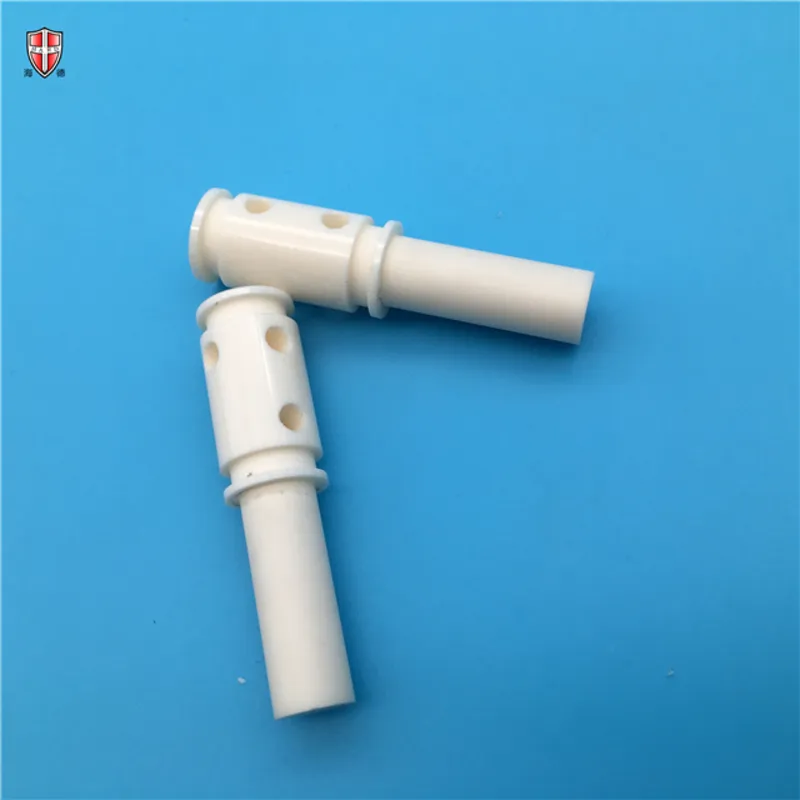
Many enterprises report:
“After switching to ceramic plungers, the equipment requires almost no maintenance for a year, and the rate of customer complaints has dropped significantly.”
4. Shenzhen Haide specializes in the customization of precision ceramic plungers.
As a manufacturer of precision ceramic structural components, Hard Precision Ceramics supplies plungers for equipment manufacturers that feature the following:
Customization based on drawings or samples, with controllable dimensional tolerances
Mirror-like polished finish
Material options: Zirconia, Alumina, Silicon Nitride, etc.
Support for non-standard customization based on drawings or samples
20 years of ceramic processing experience and a track record of over 5,000 client projects
We also provide material selection and structural optimization solutions tailored to equipment loads, sealing methods, and operating pressures.
Conclusion: Ceramic plungers are becoming an essential choice for high-end equipment aiming to reduce failure rates.
As equipment evolves toward higher pressure, greater stability, and longer service life, ceramic plungers are no longer merely an "optional upgrade";
they have become a key component for enhancing product competitiveness.
Choosing ceramic plungers today is an investment in the future reliability of your equipment.
Please feel free to contact Shenzhen Haide Precision Ceramics Co., Ltd. for assistance with material selection, structural optimization, or sample processing.


