
 Deutsch
 한국어
 日本語
 Français
 Português
 Español
 Русский

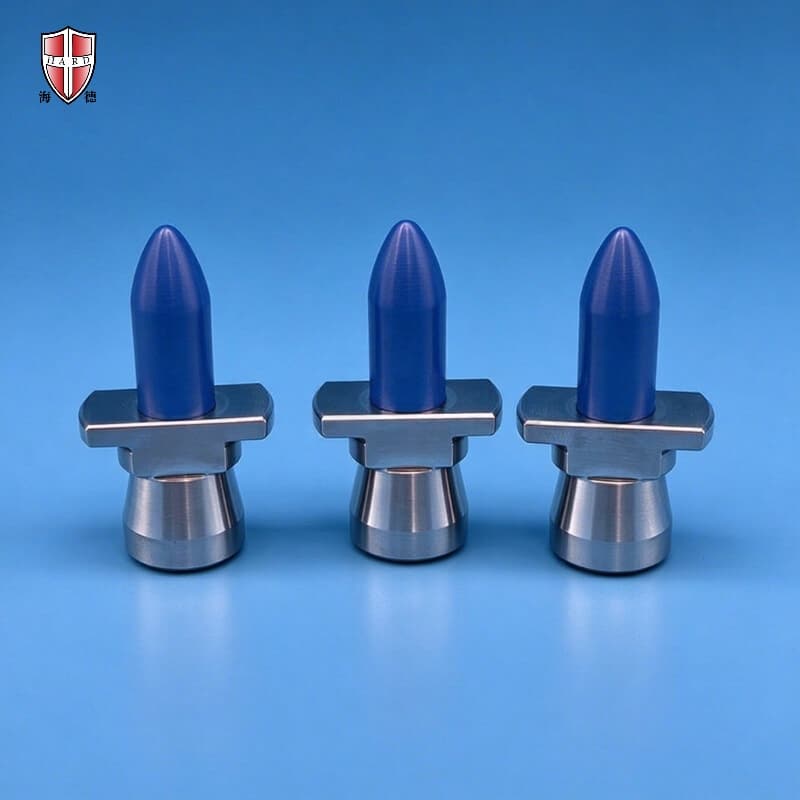
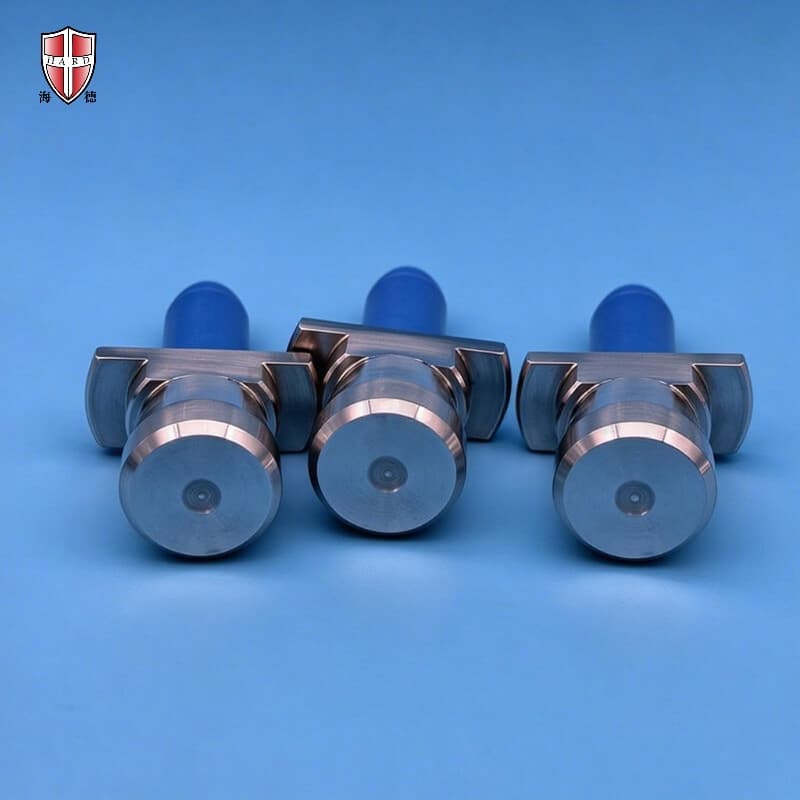
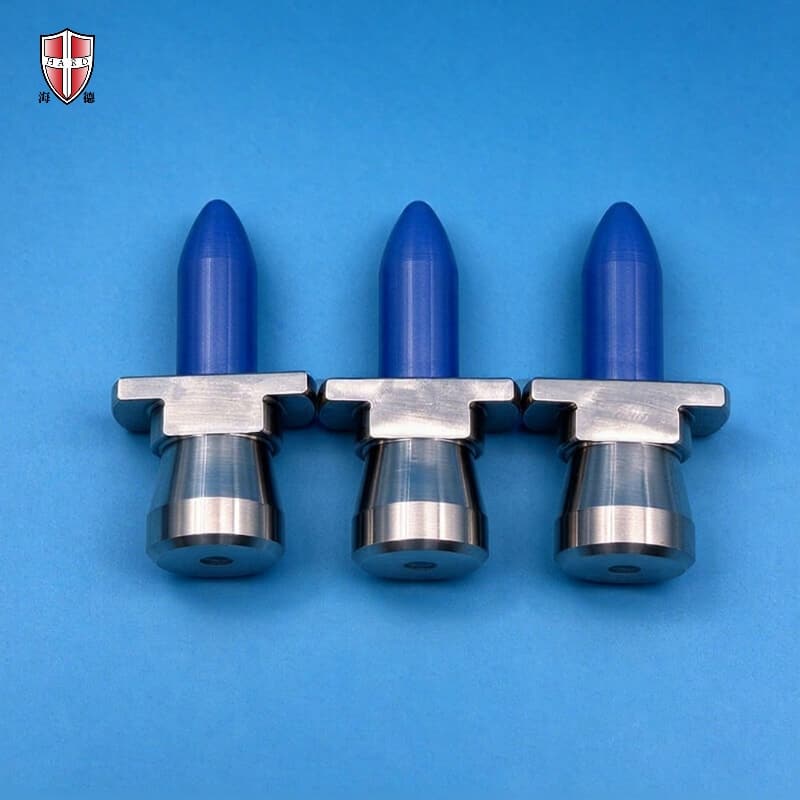
Blue zirconia ceramic locating pins are crafted from Zirconia (ZrO₂) ceramic material through processes including precision forming, high-temperature
sintering, and precision grinding. They are designed for use in precision equipment, automated tooling fixtures, and positioning/assembly systems. Zirconia ceramics
offer high mechanical strength and fracture toughness, alongside excellent wear resistance, chemical stability, and electrical insulation properties. Unlike conventional
metal locating pins, these ceramic alternatives are resistant to rust, thereby mitigating risks such as corrosion, the shedding of oxidized particles, and metal-to-metal
contamination. They are ideally suited for industrial applications that demand high positioning accuracy, material purity, and corrosion resistance. To meet specific
customer requirements, these pins can be produced with a blue finish—a feature useful for color-coding, product identification, or ensuring visual uniformity across
equipment. The specific shade, color uniformity, and durability of the blue finish are determined by the chosen coloring process and material system.
Features
① Precision Positioning · Accurate Dimensions
The diameter, roundness, straightness, and fit tolerances of a locating pin directly influence the accuracy of assembly positioning. Through precision grinding and
dimensional inspection, key dimensions can be controlled to meet blueprint specifications, making these pins ideal for precision tooling, positioning fixtures, and
automated assembly mechanisms.
② High Strength · High Fracture Toughness
Zirconia ceramics offer high mechanical strength and fracture toughness, making them suitable for various positioning and support applications, provided that the
structural design and loading conditions are appropriate. For slender pins, small-diameter pins, or applications subject to lateral impact, careful evaluation of bending
stress, installation methods, and the risk of edge chipping is essential.
③ Excellent Wear Resistance · Stable Positioning
Zirconia ceramics exhibit superior wear resistance, making them well-suited for operations involving repetitive positioning, frequent insertion/removal, or continuous
contact. Properly managing fit clearances, surface roughness, and installation loads helps minimize the impact of wear on positioning stability.
④ Corrosion Resistance · Rust-Free · Reduced Risk of Metal Contamination
Unlike conventional metals, zirconia ceramics do not rust or suffer from oxidative flaking, thereby reducing the risk of contamination caused by metal corrosion. For
applications that require the avoidance of metal-to-metal contact or metal oxidation, ceramic locating pins provide an effective non-metallic solution. Specific corrosion
resistance should be evaluated based on the contact medium, temperature, and actual operating conditions.
⑤ Electrical Insulation · Suitable for Electronics and Precision Equipment
Zirconia ceramics possess excellent electrical insulating properties, making them ideal for positioning structures that require electrical isolation, the minimization of
metal-to-metal contact, or the prevention of interference from conductive components.
⑥ Blue Appearance · Facilitates Identification and Differentiation
The blue color allows for visual distinction between different workstations, part specifications, or equipment functions, simplifying product identification and on-site
management. The color is determined by the material formulation or coloring process; factors such as color consistency, surface condition, and color durability should
be verified based on the intended operating environment.
Application Areas
Automation Equipment
Precision locating pins, assembly positioning components, and mechanical guide pins.
Tooling and Fixtures
Ceramic locating pins, repeat-positioning pins, and non-metallic positioning components.
Electronics Manufacturing
Positioning structures that require electrical insulation, wear resistance, or the mitigation of risks associated with metal-to-metal contact.
Precision Machinery
Components used for precision assembly, establishing positioning references, and structural mating.
Inspection Equipment
Components for positioning workpieces, assisting in clamping, and serving as precision tooling elements.
Specialized Industrial Environments
Positioning applications that demand corrosion resistance, high levels of cleanliness, or specific material insulation properties.


