
 Deutsch
 한국어
한국어 日本語
日本語 Français
 Português
 Español
 Русский
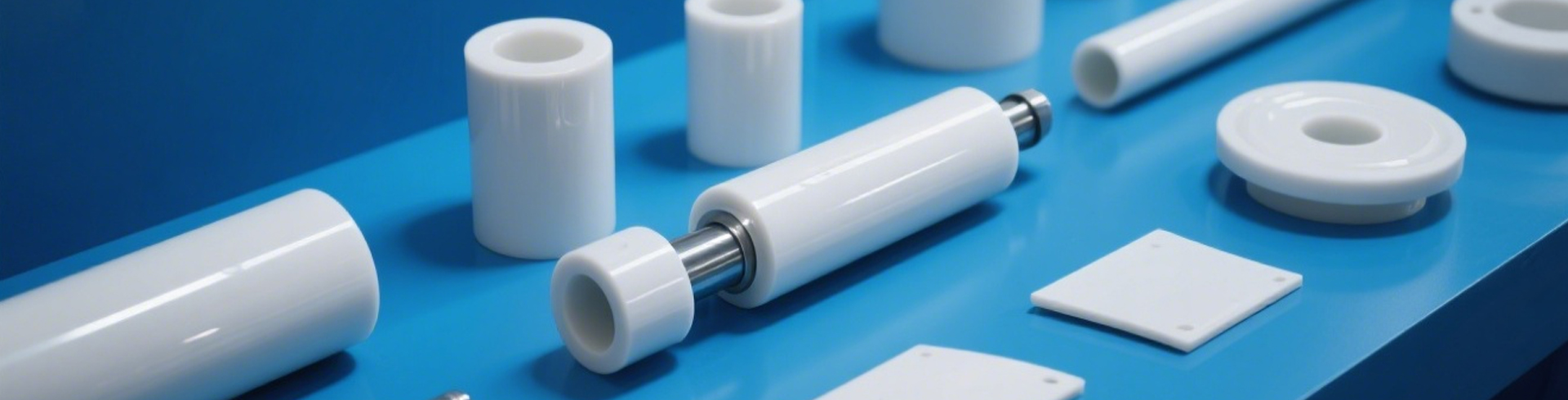
Zirconia ceramics are a new type of high-tech ceramic. Besides possessing the high wear resistance, compressive strength, high temperature resistance, corrosion
resistance, and high chemical stability required of porcelain, it also exhibits higher rigidity than ordinary ceramics. This has led to the widespread application of zirconia
ceramics in various industries, such as centrifugal pump sealing roller bearings, drilling components, molds, automotive parts, and even in bodywork, such as in external
support brackets.
With the continuous development of zirconia ceramic technology, zirconia ceramics have gained widespread application in industrial production. Zirconia ceramic
structural components are ceramic products formed by calcining zirconia ceramic powder. Zirconia ceramic components are more wear-resistant and heat-resistant than
ordinary porcelain and metals. What are the advantages of zirconia ceramic components compared to other materials? Market experience has proven that the superior
characteristics of zirconia ceramic components compared to other materials are quite prominent.
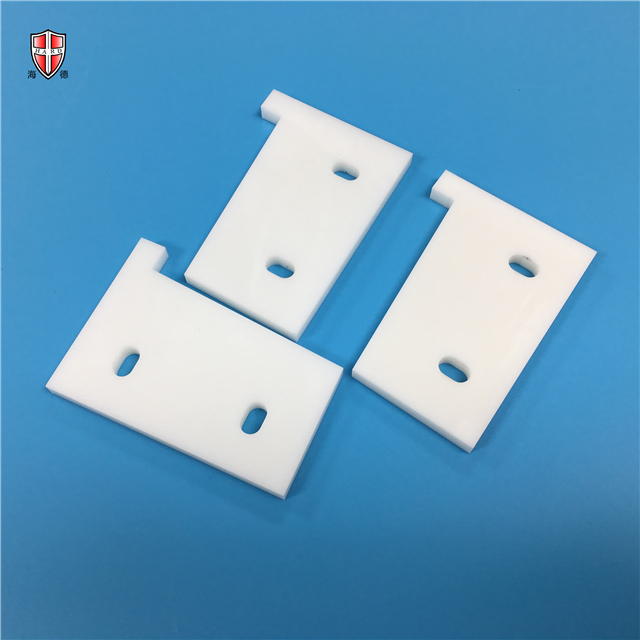
Is zirconia a ceramic material? What are the advantages of zirconia ceramics?
1. Excellent insulation properties, low high-frequency loss, and good high-frequency insulation.
2. High temperature resistance, with a low coefficient of linear expansion, high impact toughness, and good thermal conductivity.
3. Resistance to solvent corrosion and molten metals.
4. Zirconia ceramics are non-combustible, stainless steel-like, strong, and not easily damaged. Zirconia ceramics possess superior properties
unmatched by other organic materials and metal composites.
5. Wear resistance; its strength is comparable to corundum, achieving a hardness of level nine, and its wear resistance rivals that
of super-hard aluminum alloys.
Currently, its applications are more widespread, mainly due to the inherent wear resistance, corrosion resistance, and high-temperature thermal shock resistance of zirconia ceramics, making it suitable for many structural components. Furthermore, its excellent chemical stability determines its corrosion resistance, allowing its use in acidic, alkaline, and slightly alkaline substances.


